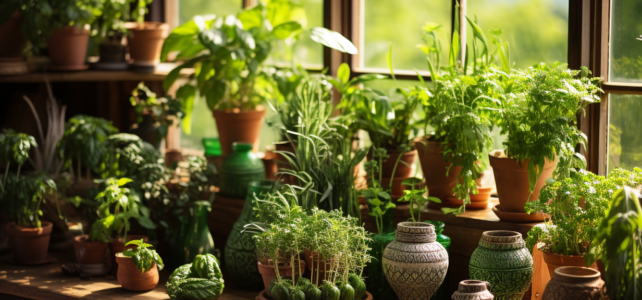
The care of wild plants in our gardens or indoors is an art that requires understanding and delicacy. These species, often robust and adaptive, can bring a touch of untamed nature to our daily lives. Their well-being requires specific knowledge to best recreate their natural habitat and meet their needs. From watering to soil quality, light exposure, and protection against diseases, every detail matters to promote their flourishing. Cultivating wild plants also means learning to observe and interact with biodiversity in a respectful and balanced way.
Best Practices for Wild Plant Foraging
Foraging for wild plants is an activity that is part of a **respect for nature** approach. Before venturing into the underbrush in search of the wild cyclamen or other floral treasures, familiarize yourself with the current legislation. The **law regulates** this practice to prevent overharvesting and the disappearance of protected species. Always forage in moderation and ensure that the local flora remains abundant for future generations.
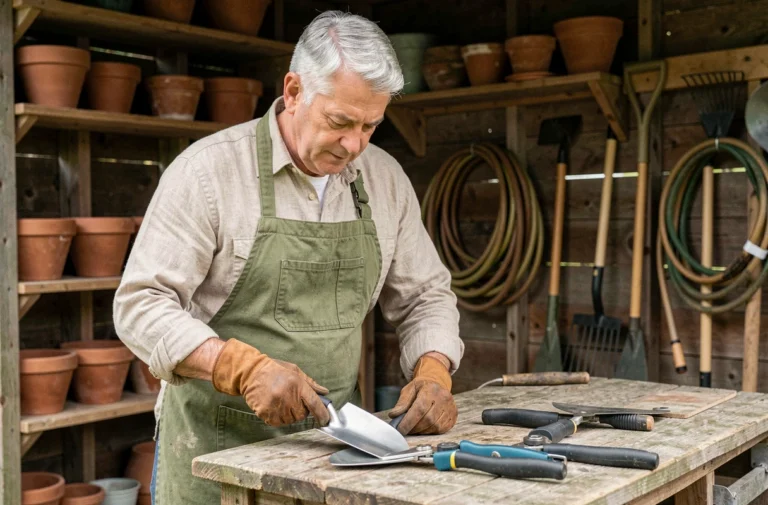
Choose tools suitable for this practice. A **wicker basket** is always preferred over a plastic bag, as it allows for better air circulation for the plants, thus reducing the risk of fermentation or early rotting. For a clean cut that is less damaging to the plant, a **pruner** will be your best ally. **Foraging gloves** are recommended to protect your hands from thorns and potentially irritating plants.
Regarding **foraging periods**, inform yourself about the life cycles of the species you wish to harvest. Some plants should only be foraged before or after flowering to ensure their regeneration. Respect the **seasons** to guarantee each plant’s ability to reproduce and maintain local biodiversity.
Take **precautions** when foraging. Learn to identify plants to avoid those that are toxic or protected. Use plant identification apps like Pl@ntNet or Seek to help you recognize specimens. Once at home, a **plant dryer** can be useful to best preserve the properties of the plants you have collected. Foraging for wild plants, practiced wisely, is a window into the richness of our natural environment.
Identification and Responsible Use of Wild Plants
**Safety** in wild plant foraging begins with accurate identification. Anyone venturing into this exercise must differentiate **edible plants** from **toxic plants**. Ignorance can lead to serious health consequences. Take the time to study the specimens you encounter and do not hesitate to consult botany books or participate in plant recognition workshops.
**Plant identification apps** complement your budding botanist toolkit. Tools like Pl@ntNet, Seek, or Flora Incognita provide valuable assistance in the field. These technologies, the result of scientific collaborations, combine photography and artificial intelligence to provide you with a quick and reliable diagnosis. Their use becomes second nature for any foraging enthusiast concerned with **plant conservation** and their own well-being.
Consider plants like **St. John’s wort**, **nettle**, or **rose hip**, recognized for their therapeutic and nutritional virtues. St. John’s wort, used for its soothing properties, requires flawless identification to avoid confusion with similar toxic species. Nettle, on the other hand, is a source of minerals and vitamins, and rose hip, the fruit of the wild rose, is valued for its high vitamin C content. Knowledge of these plants enriches the foraging experience and optimizes their use.
The **conservation of plants** post-foraging is a key step in responsible use. Drying, canning, or preparing macerates are techniques that extend the shelf life of your harvests and preserve their properties. The quality of these methods determines the added value of the plants in your daily life, whether integrating them into your diet or using them for medicinal purposes. Take care of your finds as precious goods entrusted to you by nature.