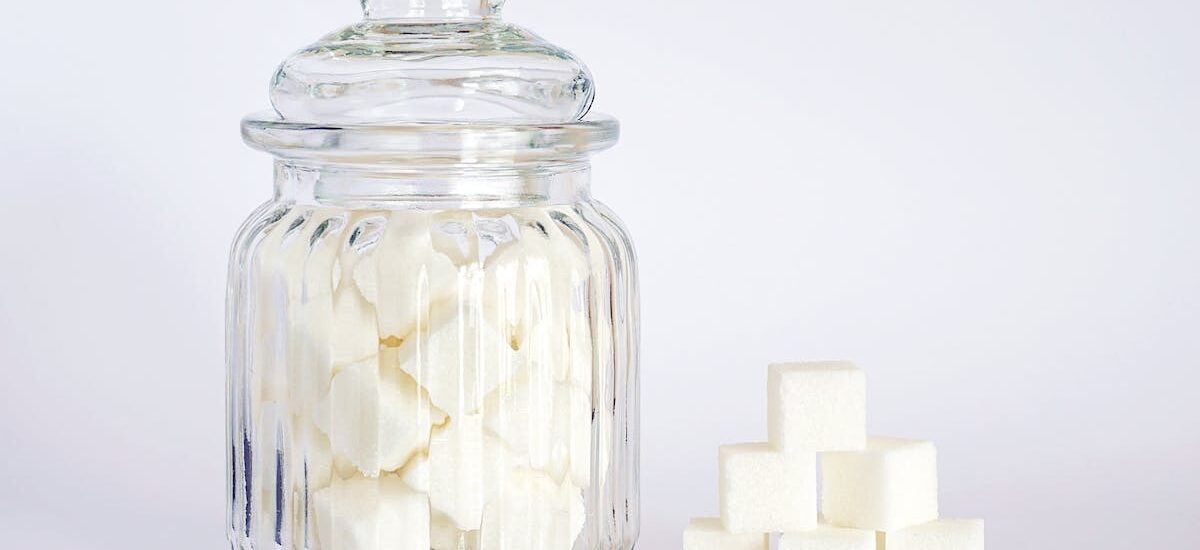
For many of us, a small white cube of sweet softness is an integral part of our daily routine. Whether it’s in our morning coffee, our afternoon tea, or our favorite pastries, sugar is everywhere. Yet, how many of us truly understand the impact that this piece of sugar can have on our health and well-being? From its caloric value to its influence on our blood sugar levels, as well as its role in various metabolic processes, it is essential to understand the real weight of a piece of sugar.
Sugar: a fascinating concept and its weight on our health
In the continuation of our article ‘Understanding the weight of a piece of sugar: everything you need to know’, we will now address a crucial question: the different units of measurement that allow us to quantify sugar.
This may seem obvious, but in the realm of sugar, size matters. A cube or a piece is not universally standardized. The weight of a piece of sugar is variable and primarily depends on the dimensions chosen by each manufacturer.
The first commonly used measure to evaluate the weight of a piece of sugar is the gram (g). It is the fundamental unit in baking and general cooking. To put it simply, a classic small cube weighs about 4 to 5 grams.
Another popular way to measure sugar is the teaspoon (tsp). A teaspoon represents approximately between 4 and 6 grams depending on whether it contains granulated or crystal sugar, so it’s quite close to the weight of a small piece.
There is also a more traditional method: that of ‘pieces’. This notion tends to fade over generations but is still quite present in some French households where it is not uncommon to hear, ‘How many sugars do you want with your tea?’. In this case, it is generally considered that two small cubes correspond to one ‘piece’.
Beyond these three main methods, we also find certain terms like ‘packets’ often used in the food industry or fast food. Each packet contains about as much as two small cubes, or about 8 g.
The last term frequently encountered on our food packaging is that of calories. While this unit does not directly indicate the weight in grams, it does provide valuable information about the energy provided by our daily consumption of quick sugars.
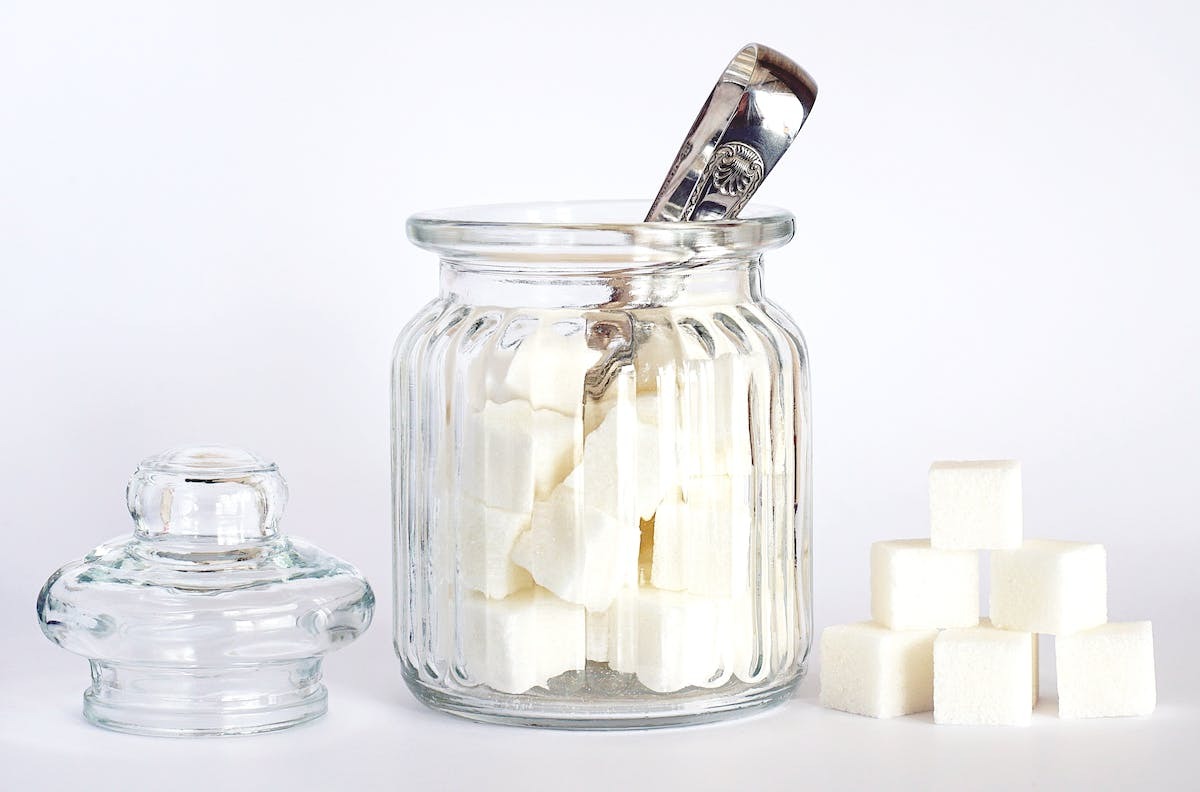
Units of measurement for sugar: understanding the hidden quantities in our diet
Now let’s move on to the impact of sugar on health and body weight. You should know that sugar contains empty calories, meaning it provides little or no essential nutrients. These calories are quickly absorbed by our body, which can lead to weight gain if they are not burned off through physical exercise.
Excessive sugar consumption has been linked to an increased risk of obesity and chronic diseases such as type 2 diabetes and cardiovascular diseases. Indeed, when we consume too much sugar, it raises our blood insulin levels. Insulin is a hormone that regulates our blood glucose levels by promoting its storage as fat in fat cells.
Frequent consumption of foods high in added sugars can also contribute to the development of dental cavities and increase the risk of other oral health issues such as gingivitis.
Sugar and health: the impact on body weight and risks to our well-being
Now let’s move on to the practical aspect of reducing our sugar intake in our diet. Here are some simple yet effective tips to achieve this:
Read labels: Get into the habit of carefully reading the labels of the products you buy. Look for alternative names for sugar, such as high fructose corn syrup, dextrose, or sucrose.
Favor fresh foods: Choose fresh and natural foods rather than those that are processed and pre-packaged. Fresh fruits and vegetables are an excellent alternative to sugary snacks.
Limit sugary drinks: Sodas, industrial fruit juices, and other soft drinks are often high in added sugars. Try replacing these drinks with water or unsweetened tea.
Cook for yourself: Prepare your meals at home as much as possible to have better control over the amount of added sugar in your diet.
Use refined sugar alternatives: Replace refined white sugar with healthier alternatives like honey, maple syrup, or stevia, which is a natural zero-calorie sweetener.
Avoid industrial sauces: Many ready-made sauces contain a significant amount of hidden sugars. Instead, try using fresh herbs and spices to flavor your dishes.
Learn to recognize satiety signals: Often, we tend to eat sweet foods out of habit or to fill boredom. Learn to listen to your body and identify the signals that indicate you are full.
By following these simple yet effective tips, you can significantly reduce your sugar intake in your diet and thus improve your overall health. Remember that it is not about completely eliminating sugar, but rather about consuming it in moderation and prioritizing more natural sources like fruits.
Alternatives to sugar: discover healthier options and their benefits
Sugar alternatives are not only about our health concerns, but also about the environmental considerations related to its production and consumption. Indeed, the sugar industry has a significant impact on our planet.
The main source of sugar we consume is cane sugar and sugar beet. The intensive cultivation of these crops requires a significant amount of water, chemical fertilizers, and pesticides. This leads to soil degradation and pollution of water resources. Monocultures reduce biodiversity and contribute to land erosion.
Sugar and the environment: the challenges of sustainable production and consumption
Within the industry, sugar undergoes a complex process involving various chemical and mechanical treatments. Sugarcane or beet plantations are harvested and then transported to factories where they are crushed to extract the sweet juice. This juice then undergoes several purification steps to remove impurities and obtain concentrated syrup.
The syrup obtained is then crystallized by evaporation until we get the sugar crystals we all know. These crystals go through further centrifugation and drying processes before being packaged for sale.
However, in light of environmental and health concerns related to this industry, alternatives to traditional sugar have emerged in recent years. Among these, we find:
• Natural sweeteners: derived from plant sources such as stevia or xylitol, they offer sweetness without providing as many calories as regular sugar.
• Unrefined sugars: such as rapadura or muscovado, which retain some of the nutrients present in their original composition.
• Alternative syrups: such as agave syrup or maple syrup, which provide a different flavor while having a lower glycemic index.
It should be noted that these alternatives are not without drawbacks. Some artificial sweeteners may have harmful effects on health when consumed in excess, while unrefined sugars are still high in calories.
It is important to remember that a moderate sugar intake remains essential to preserve our well-being and avoid certain health issues such as obesity or diabetes. Therefore, it is recommended to be aware of the quantities consumed and to opt for a balanced diet that includes fruits, vegetables, and whole grains to avoid excessive dependence on sugar.
Understanding the weight of a piece of sugar means becoming aware of the multiple facets related to its production, its environmental impact, and its healthier alternatives. Making informed choices about our sugar consumption can help improve our quality of life as well as preserve our planet for future generations.