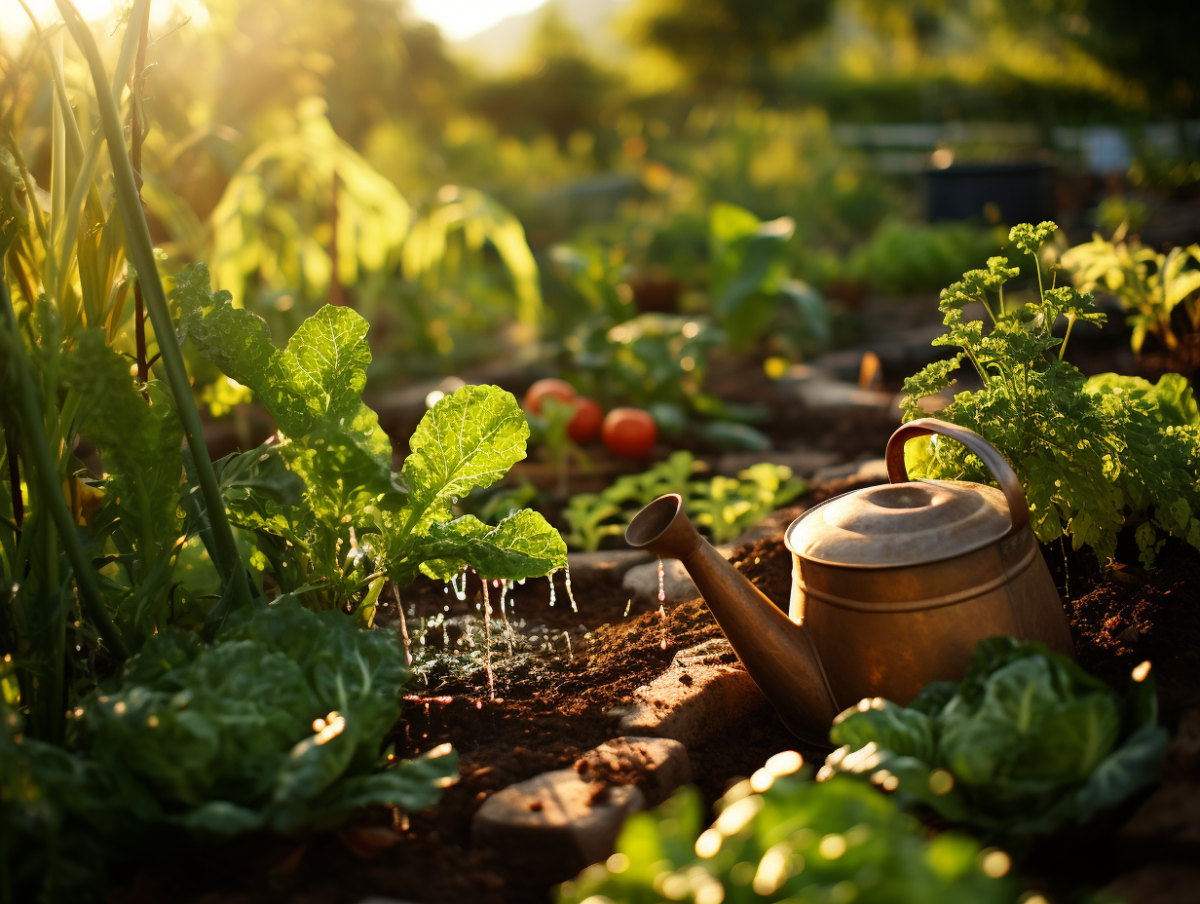
Comfrey tea stands out as a valuable ally for gardeners looking to enrich their soil without resorting to chemical products. This concoction, obtained by steeping comfrey, a plant known for its richness in potash, phosphorus, and nitrogen, is a 100% natural fertilizer. Its versatility extends from strengthening plants to accelerating composting, while also serving as an effective repellent against certain pests. Advocates for ecological and sustainable agriculture praise its use for its minimal impact on the environment and ease of preparation.
The Unforeseen Benefits of Comfrey Tea for the Garden
Comfrey tea, the natural fertilizer par excellence, has a composition rich in potash, calcium, and nitrogen, essential nutrients for plant vigor. Its ability to strengthen the natural defenses of plants against diseases and pests is a boon for organic gardeners. Indeed, this product, extracted from comfrey, a plant with notable therapeutic properties, proves to be both a bio-fertilizer and an effective repellent. Savvy gardeners know that using comfrey as a compost activator speeds up the decomposition of organic matter, thus providing a rich and airy soil. This process, essential for soil fertility, is catalyzed by comfrey tea, which acts as a natural accelerator, improving the structure and quality of the compost. Therefore, comfrey, at the heart of this process, asserts itself as a central pivot of ecological agriculture. French legislation, attentive to the dissemination of natural products, allows the artisanal production of this precious liquid. Commercial products based on comfrey tea require approval before being marketed. This measure ensures safe and controlled use, thus providing gardeners access to environmentally friendly and public health-respecting preparations.
Practical Guide: Making and Using Comfrey Tea
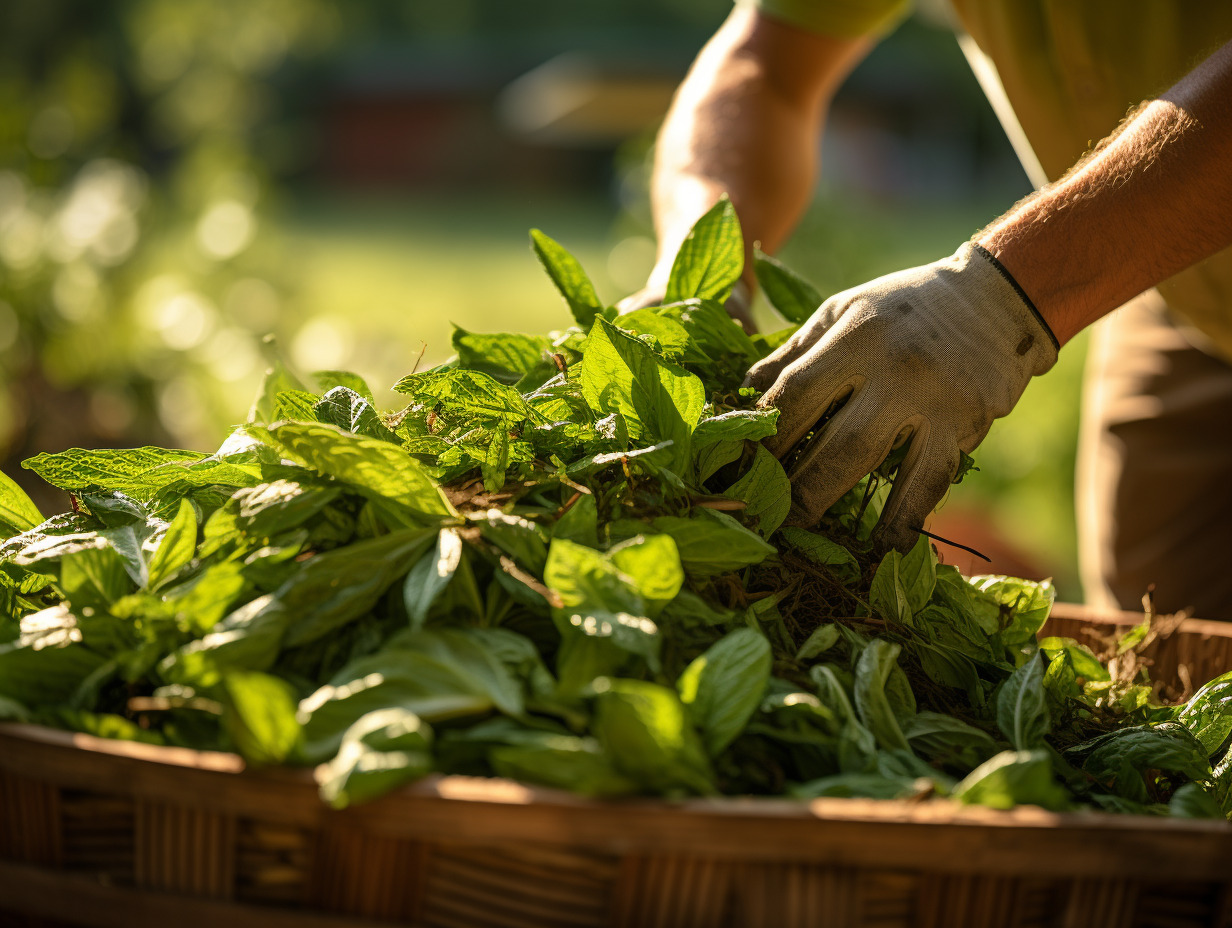
The recipe for comfrey tea revolves around an ancient and proven method. To make this natural fertilizer, collect comfrey leaves, preferably before flowering for optimal nutrient concentration. Submerge them in rainwater, ten liters for one kilogram of leaves, and let them steep for about fifteen days. At the end of this period, strain the mixture to obtain a brownish, fragrant liquid: comfrey tea is ready to use. The use of comfrey tea varies according to needs. As a foliar fertilizer, dilute it to 5% (i.e., 50 ml of tea for one liter of water) and apply it directly to the foliage of the plants. This practice stimulates growth and strengthens natural defenses. For watering at the base of the plants, a 10% dilution will be appropriate, thus providing the roots with essential nutrients. Comfrey, beyond its role in making the tea, also acts as a compost activator. Incorporate fresh leaves into the compost pile to speed up the decomposition of organic matter and enrich the final mix. This inexpensive and simple tip significantly improves the quality of your compost, providing your plants with a healthy and vigorous growing medium. French legislation strictly regulates the use of plant protection products. In this context, comfrey tea, a traditional preparation, stands out for its compliance with organic farming practices. Homemade production is free, while the marketing of comfrey-based preparations requires prior authorization. This regulation thus ensures traceability and guaranteed quality for gardeners concerned about the environment and biodiversity.