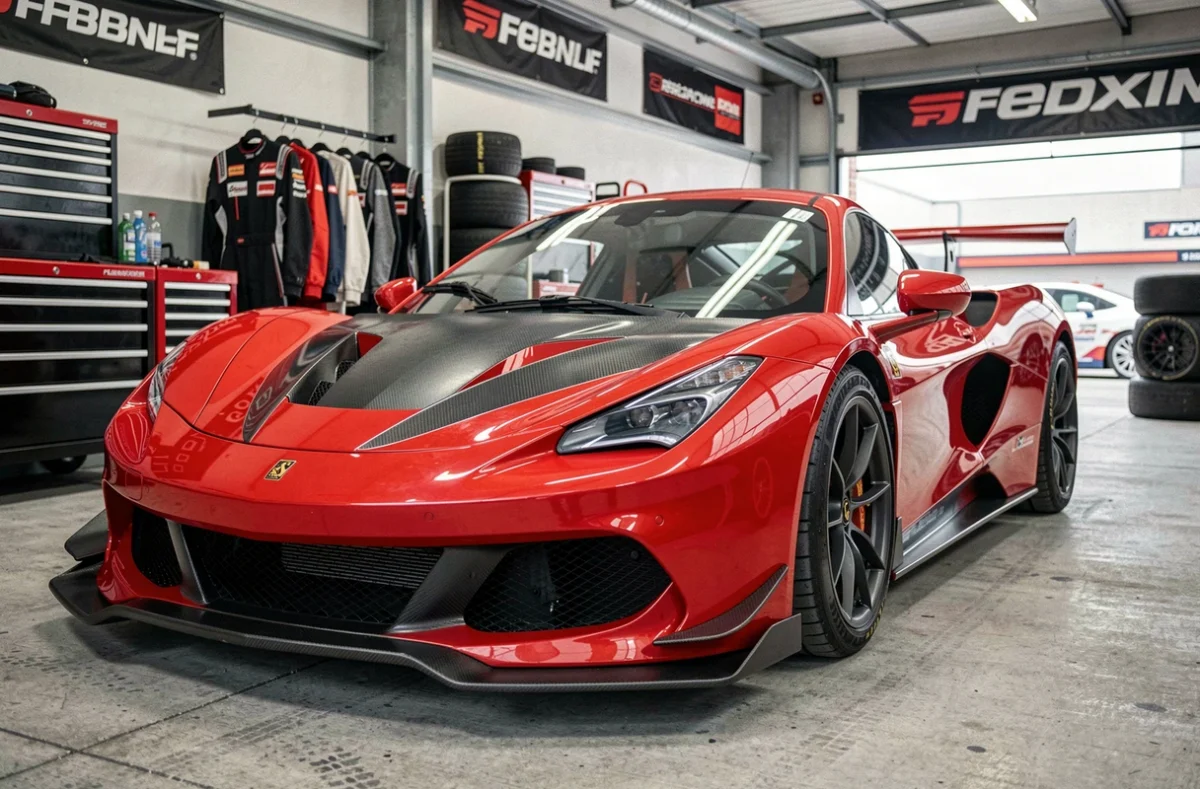
Motorsport is not just about watching single-seaters race on a screen. In recent years, access to driving exceptional vehicles has significantly expanded in France, with options ranging from track baptism to full days in GT or single-seaters. This democratization is changing the profile of enthusiasts and the criteria for choosing a provider.
Driving Experience Prices in France: What a Track Lap Really Costs
The price of a circuit experience varies from simple to tenfold depending on the type of vehicle, duration, and chosen circuit. Data available for the period 2024-2026 allows us to segment the offer into three main categories.
| Type of Experience | Indicative Price | Typical Content |
|---|---|---|
| Track Baptism (Passenger) | From 65 to 71 euros | A few laps as a passenger, safety briefing |
| Supercar Discovery Stage | Starting from 89 euros | Briefing, training, driving laps (Ferrari, Lamborghini, Porsche) |
| Track Day | About 150 euros | Free or guided track access, several sessions |
| High-End Stage (GT or Single-Seater) | Several thousand euros | Circuit such as Paul Ricard, individual coaching, telemetry debriefing |
The gap between a baptism costing less than 100 euros and a premium stage on a reference circuit shows that leisure motorsport now covers a very wide spectrum. Complete packages under 200 euros, including briefing and personalized diploma, represent the segment that attracts the most new participants.
Specialized players like Racing Car offer precisely this type of package focused on exceptional vehicles, with support suitable for both beginners and experienced drivers.
Growth of the Leisure Driving Market: A Rapidly Expanding Sector
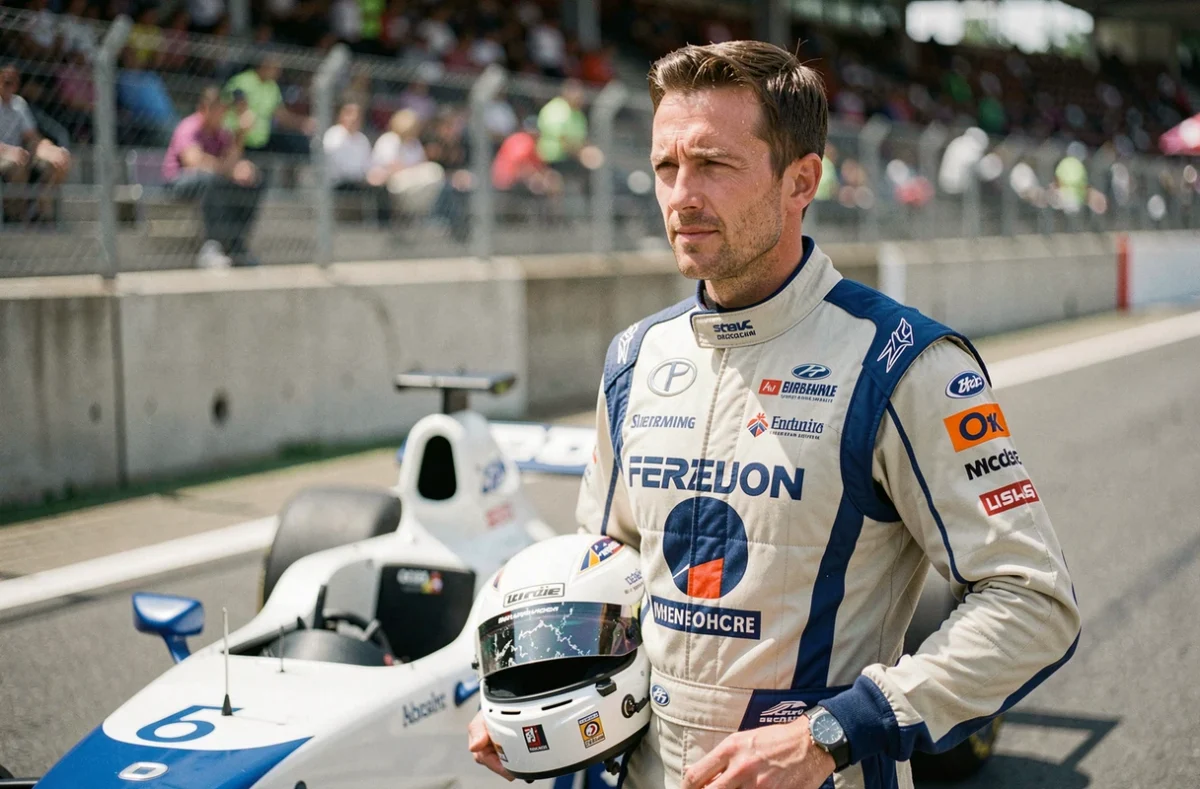
The circuit driving stage sector recorded a 25% growth in 2024 in France, according to data reported by the French Federation of Motorsport. This figure reflects a fundamental change in the relationship between the general public and motorsport.
Several factors explain this acceleration:
- The decrease in the entry ticket, with baptisms accessible from 65 euros, has removed the financial barrier for a first experience on track
- The diversification of vehicles offered (supercars, GT, Formula 4 single-seaters, rally cars like Subaru WRX) expands the audience well beyond just Formula 1 fans
- The rise of “gift” packages (boxes, vouchers) has transformed the driving stage into a common consumer product, especially for holidays and birthdays
This growth is not limited to major circuits. Regional structures, located near medium-sized cities, attract a local clientele that would never have considered going to a national circuit.
Exceptional Vehicles on Circuit: GT, Single-Seater, or Rally
The choice of vehicle radically conditions the driving experience. A Ferrari 488 on the circuit is nothing like a Formula 4 single-seater, nor like a Subaru WRX on dirt.
GT and Supercars: Accessible Power
GT stages (Ferrari, Lamborghini, Porsche) remain the most requested. They offer a compromise between strong sensations and relatively intuitive handling. The driver finds a driving position similar to that of a production car, with a sequential gearbox, power steering, and electronic aids sometimes partially disabled.
However, the top speed and available power require a serious briefing on trajectories and braking.
Single-Seaters: The Most Physical Experience
Single-seater stages (Formula 4, Formula Renault) represent the other end of the spectrum. Semi-reclined position, absence of windows, significantly higher lateral accelerations: driving a single-seater challenges the body as much as the technique. These stages attract a more knowledgeable audience, willing to invest more for a complete immersion.
Rally: Driving on Natural Terrain
Rally driving experiences on dirt or degraded asphalt add the dimension of trajectory control in drift. The driver must manage oversteer, adapting their driving to the variable grip of the surface. It is a technical exercise distinct from the circuit, appealing to those seeking a more instinctive driving experience.
Criteria for Choosing a Driving Stage in France
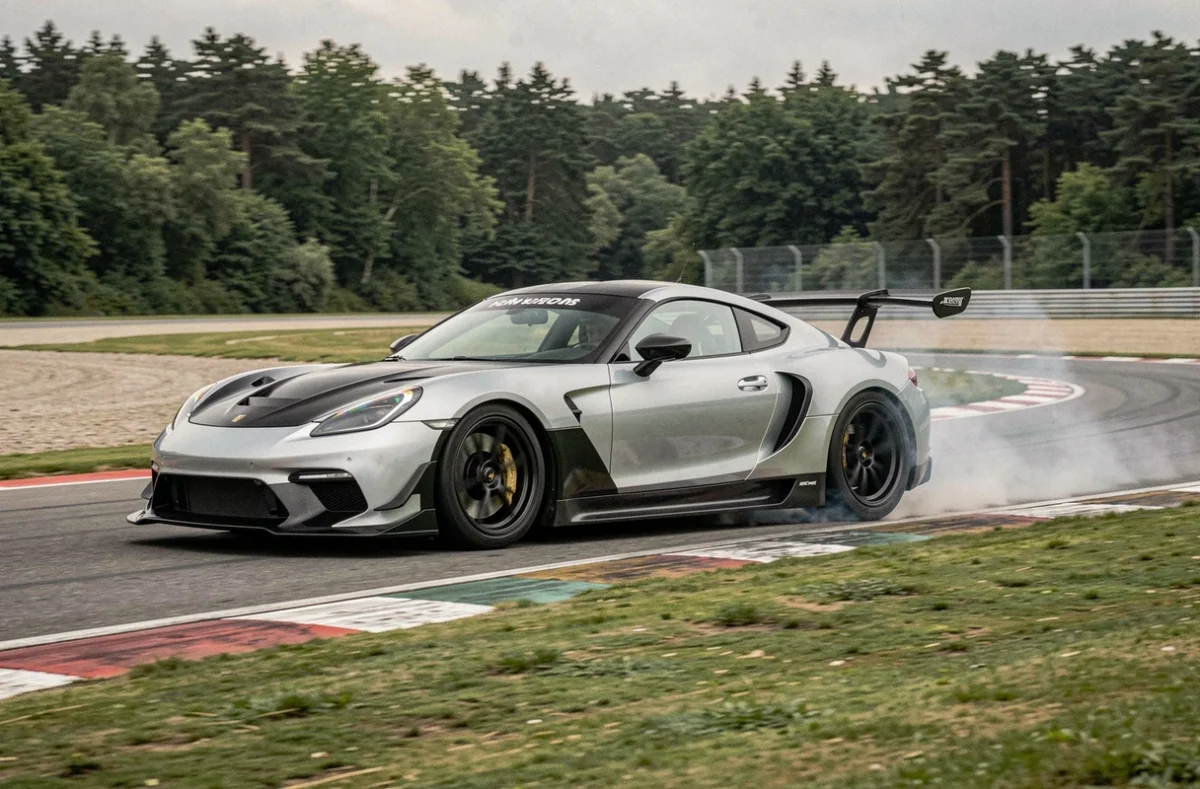
Not all providers are equal. Beyond price and vehicle, several elements deserve special attention before booking.
- The instructor-to-driver ratio: one instructor for two or three drivers allows for real follow-up, with individualized debriefings between each session
- The condition and maintenance of the vehicles: a regularly renewed fleet ensures performance meets expectations and limits mechanical risks
- The actual driving time: some stages announce a half-day but only offer a few timed laps, with the rest dedicated to briefing and waiting times
- The location of the circuit: a nearby circuit reduces fatigue before driving, a parameter often underestimated
Car enthusiasts and endurance fans will also look at the diversity of the offered fleet. Being able to alternate a lap in a GT and a lap in a single-seater on the same day remains a rare but particularly educational formula for understanding the differences in dynamic behavior.
The French leisure driving market has reached a level of maturity where price alone is no longer enough to distinguish offers. The quality of support, the choice of vehicles, and transparency regarding actual driving time have become the real differentiating criteria among providers.