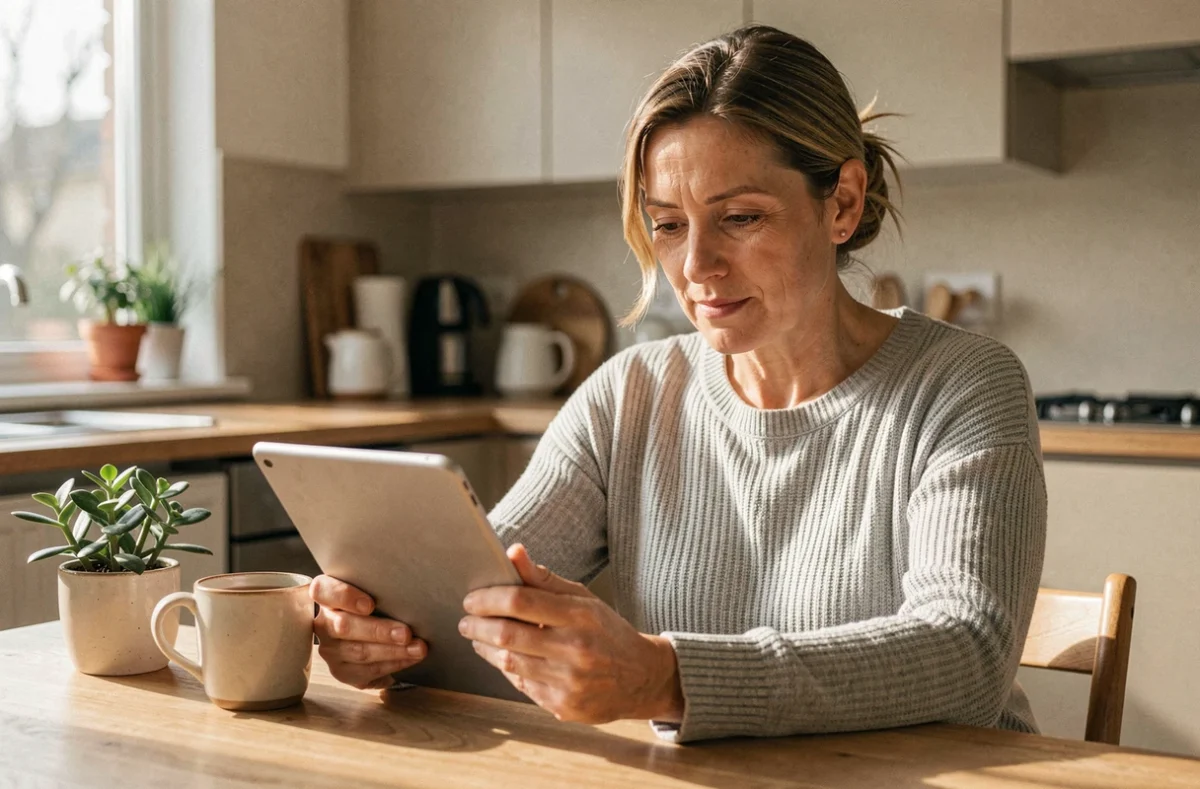
Have you ever noticed how a simple notification on your phone can change the way you eat, sleep, or consult a doctor? Health news influences our behaviors much more than we think. Staying informed about health on a daily basis is not just about reading headlines on epidemics or the latest discoveries. It’s also about learning to filter information, spotting what really concerns you, and turning raw data into useful reflexes.
Health Misinformation: Learning to Verify Before Sharing
A friend sends you an article claiming that a common food causes a certain disease. The natural reflex is to share it. The fight against health misinformation has become a dedicated public action topic in France, highlighting the extent of the problem.
Before believing or passing on a health claim, three simple checks are usually sufficient:
- Identify the source: a public organization (Santé publique France, HAS) or a peer-reviewed journal carries more weight than an anonymous blog or a post on social media
- Look for contradictions: if only one source claims something while all others say the opposite, caution is warranted
- Check the date: a study older than five years may have been contradicted since, especially in rapidly evolving fields like nutrition or infectious diseases
These reflexes seem simple. Yet they prevent the sharing of potentially dangerous advice, such as fanciful drug interactions or unvalidated remedies. Finding health information on Santé Market also allows for cross-referencing sources on everyday topics.
Verifying health information takes two minutes; correcting it after sharing takes weeks. This is the basic principle of responsible health monitoring.
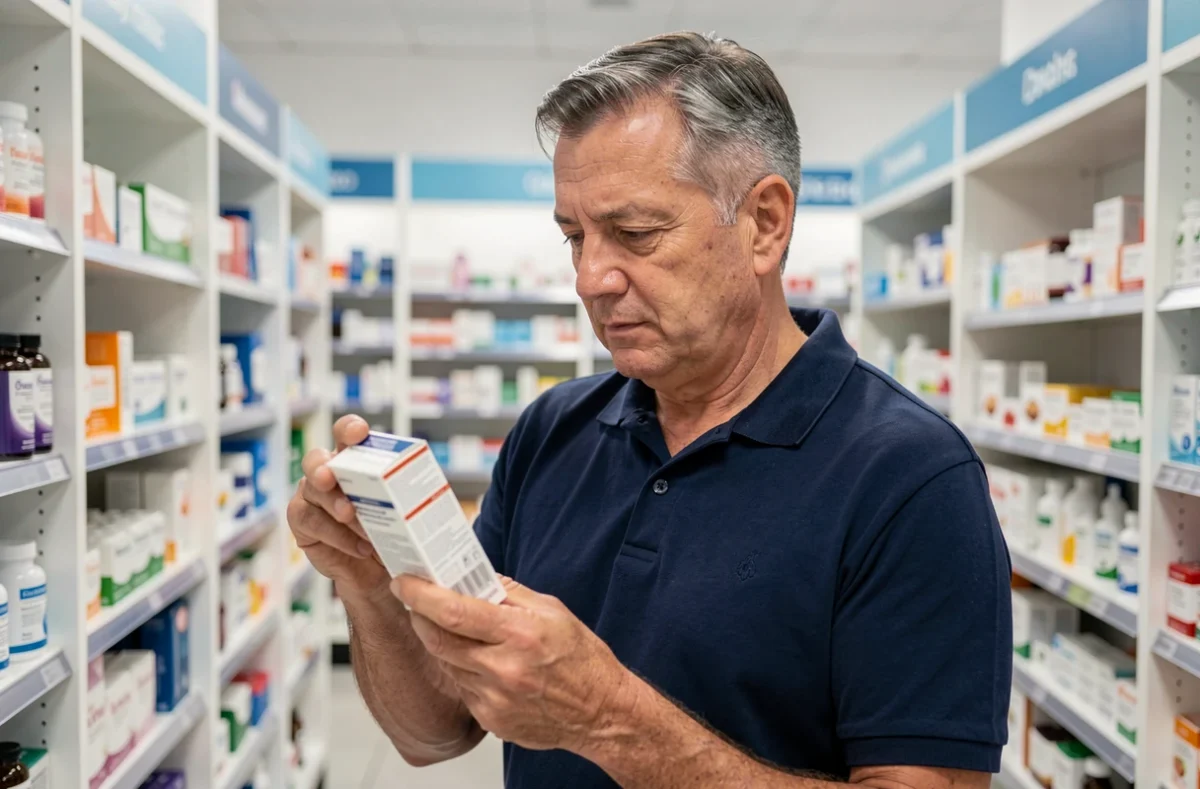
Personalized Prevention Assessment: A Concrete Device Still Underused
Prevention in France has long relied on general campaigns: posters in waiting rooms, TV spots, brochures. Recently, it has taken a more targeted form with the “My Prevention Assessment” initiative.
The principle: at certain ages in life, you can benefit from an appointment with a healthcare professional to review your habits. Diet, physical activity, sleep, alcohol or tobacco consumption, family risk factors. This assessment is covered by health insurance, with no out-of-pocket costs.
Why mention it here? Because this type of initiative remains underutilized. Many people are unaware that they are entitled to it or confuse this assessment with a simple medical check-up. The difference lies in the approach: it’s not about diagnosing a disease, but about agreeing on a prevention plan tailored to your personal situation.
What the Assessment Covers in Practice
The professional discusses your lifestyle habits, identifies risk factors, and proposes concrete actions. For example, if your sleep has been disrupted for several months, the assessment can guide you towards specific management rather than simply recommending to “sleep better.”
This is a change in approach. Prevention is no longer limited to general messages. It becomes a personalized exchange, rooted in your daily life.
Mental Health: Beyond Well-Being, A Recognized Public Health Issue
The ministry presented on June 2, 2026, the report on the National Cause 2025 dedicated to mental health, with priorities for the future. Mental health is no longer confined to the realm of personal development. It is treated as a public health issue in its own right, with implications for identifying disorders, destigmatization, and access to care.
Have you ever heard someone say “it’s just stress” regarding persistent symptoms? This type of minimization delays consultations. The destigmatization work carried out in recent years aims precisely for consulting a psychologist or psychiatrist to be perceived as consulting a cardiologist: a medical act, not a confession of weakness.
Identifying Signals Before They Set In
The difficulty with mental disorders is their often slow progression. A persistent sleep disorder, increasing irritability, gradual isolation: taken in isolation, each sign seems trivial. It’s their accumulation over several weeks that should raise alarms.
A sleep disorder lasting more than three weeks deserves a consultation, not a dietary supplement. This distinction between temporary discomfort and a warning signal is part of the health education that recent news highlights.

Expanded Newborn Screening: What Has Changed Since September 2025
Since September 1, 2025, newborn screening in France covers sixteen pathologies. Three additional rare and serious diseases are now screened for at birth.
In practice, this means that the test performed at the maternity ward (a sample of a few drops of blood from the newborn’s heel) allows for the detection of more diseases. The goal: to treat pathologies earlier whose prognosis directly depends on the timeliness of the diagnosis.
For parents, this change does not alter the procedure (the sample is the same). However, it changes the significance of the result. Broader screening increases the chances of identifying a rare disease before the first symptoms appear, when treatments are most effective.
Why Early Screening Makes a Difference
Some rare metabolic diseases do not cause any visible symptoms at birth. Without screening, they may manifest months later, at a stage where damage is already established. Expanded newborn screening for sixteen pathologies reduces the gap between the presence of disease and its detection.
This is a concrete example of how health news has direct repercussions on the daily lives of families, even when it goes unnoticed in the mainstream media.
Following health news ultimately means accepting that knowledge evolves, that devices change, and that certain habits need to be revised. The most useful thing is not to read everything, but to know where to find reliable information when a question arises.