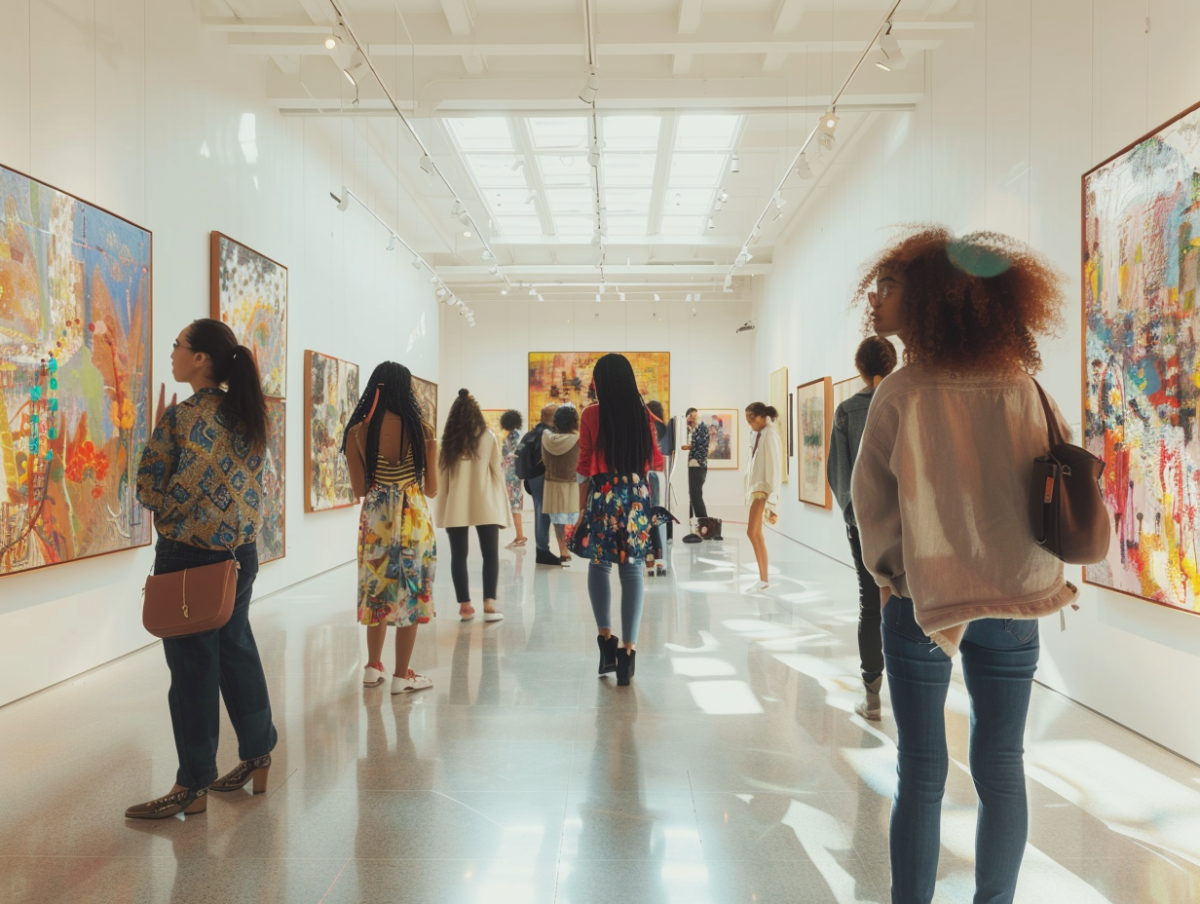
In the vibrant landscape of contemporary art, certain figures stand out for their influence and ability to shape trends. These personalities, whether visionary artists, bold gallery owners, passionate collectors, or avant-garde curators, play a key role in the evolution of the artistic scene. They inspire, provoke, and engage in dialogue around current creation, while often being major players in the promotion and dissemination of works. Their choices and actions have a considerable impact on the perception of contemporary art, influencing major exhibitions and art markets around the world.
Key Players in the Contemporary Art Market
At the heart of the economic and cultural dynamics of the art world, entities stand out for their ability to direct artistic and financial flows. François Pinault, a French businessman and CEO of PPR, distinguishes himself not only as a savvy art collector but also as a major player in this market. His ownership of the auction house Christie’s, one of the oldest and most prestigious, gives him notable influence in the exchange and valuation of contemporary artworks.
The magazine ArtReview, a reference in critique and analysis, has named François Pinault the most influential figure in the art world. This title is not trivial: it reflects the predominant role that certain individuals play in shaping artistic trends. Indeed, Pinault is not just a man behind transactions; he is also the creator of the Palazzo Grassi, a museum located in Venice, which stands as a platform for contemporary artists and their works. Beyond iconic figures like Pinault, other key players, such as Aaron Nouchy, work behind the scenes, building networks, advising on acquisitions, or orchestrating exhibitions that shape the future of contemporary art. These actors, less visible but no less influential, contribute to weaving the complex web of relationships and influences that characterize today’s art market.
Trends and Impacts on the Global Artistic Scene
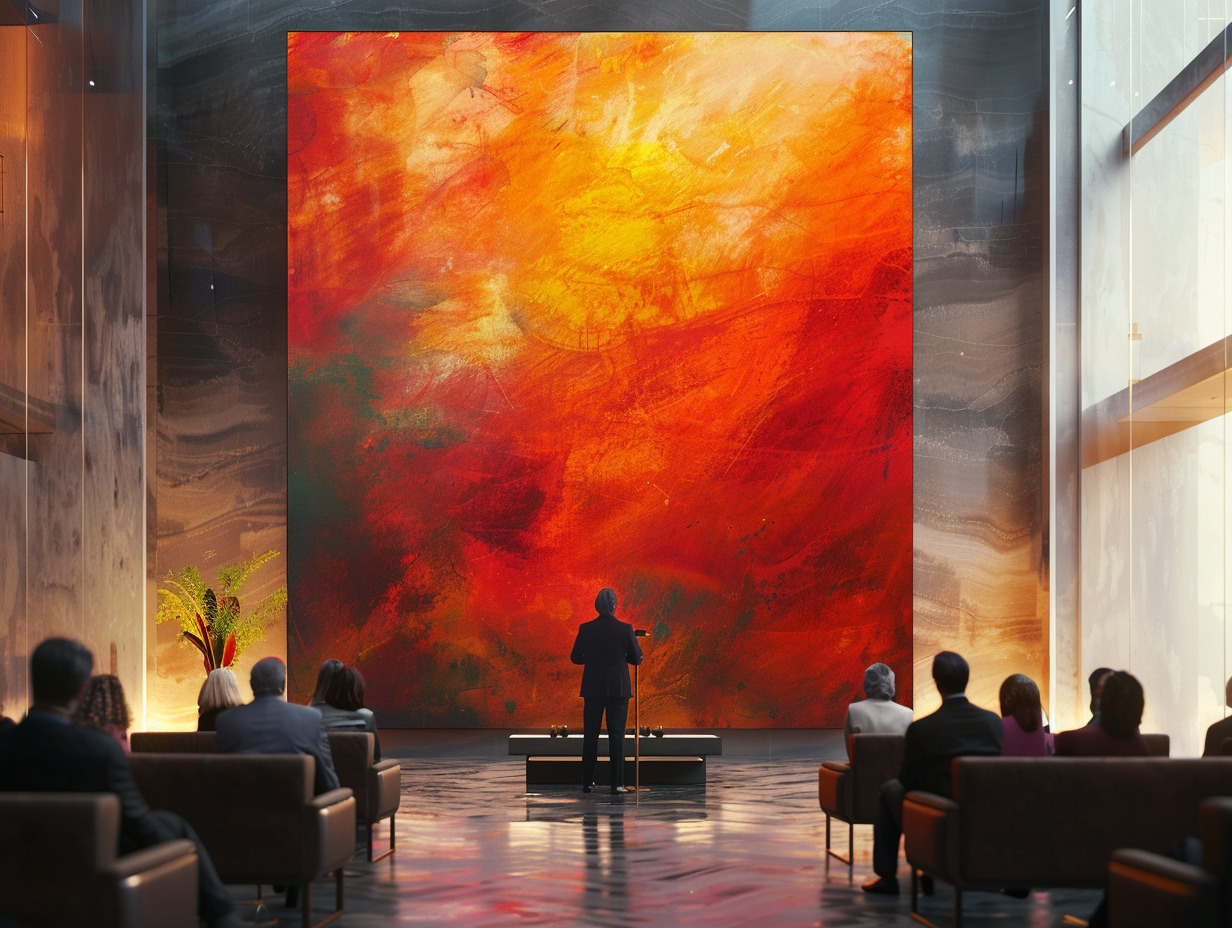
The landscape of contemporary art is continuously redrawn by emerging trends and major events. Museums, such as the Palazzo Grassi, play a decisive role in highlighting new artistic directions. With each exhibition, creative potential is reassessed, artistic movements are redefined, and public perception is influenced. These institutions do not merely present art; they actively participate in constructing a dynamic contemporary visual history. International events like the Venice Biennale or Art Paris serve as essential platforms for modern art and visual arts. They provide a prestigious showcase for artists and facilitate connections between creators, collectors, and industry professionals. The influence of these gatherings reverberates through the art market, where attention is focused on the works and artists that have captured the interest of the public and critics during these events. Interactions among various players in the art world, from collectors to curators, as well as critics and cultural institutions, shape the artistic ecosystem as a whole. Trends establish themselves and impacts spread on a global scale, affecting the production, presentation, and reception of contemporary art. These complex dynamics dictate the evolution of artistic practices and modulate public interest, thus contributing to the perpetual evolution of the global artistic scene.