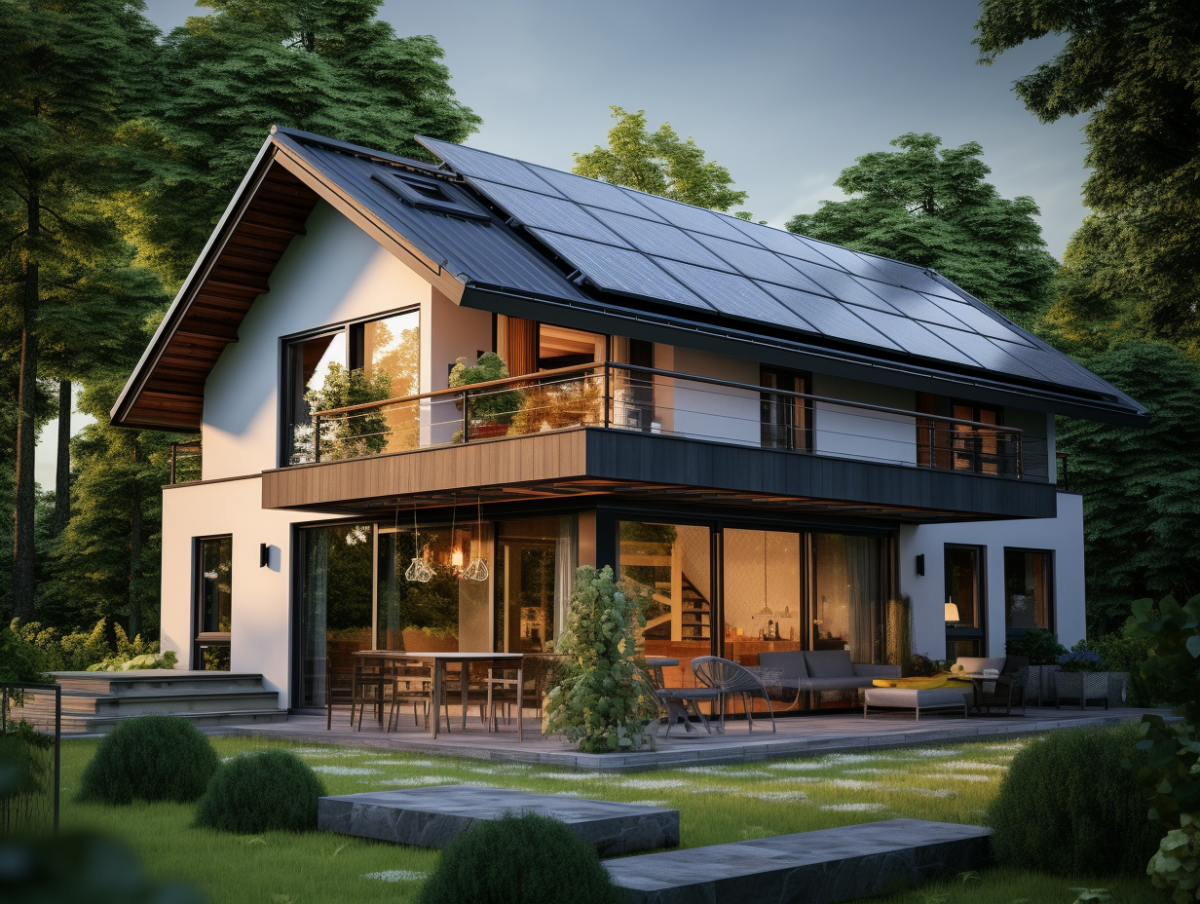
Urban growth and the environmental crisis have placed real estate at the heart of sustainability debates. Industry professionals and policymakers must navigate a dual requirement: to meet the growing housing needs while reducing the ecological footprint of buildings. From design to construction, through renovation and property management, innovative strategies are emerging. They aim to minimize energy consumption, prioritize sustainable materials, and integrate greenery into architecture. This major challenge is redefining the traditional approach to real estate, fostering the emergence of environmentally friendly habitats.
Sustainable Real Estate: Issues and Perspectives for a Changing Sector
Within the French landscape, sustainable real estate stands as a response to contemporary ecological challenges. This concept, embracing environmental issues, revolves around creating energy and resource-efficient buildings while ensuring the comfort and health of occupants. The RE2020, the new environmental regulation for new buildings in France, now regulates this evolving sector, guiding stakeholders towards more environmentally friendly practices.
Iconic projects, such as the Hyperion Tower in Bordeaux and the Elithis Towers in Strasbourg, testify to this transition. They embody the shift towards sustainable construction in France, offering innovative solutions such as the wooden structure for Hyperion or positive energy for Elithis. These previously marginal initiatives are now part of the development strategy of major metropolitan areas.
Internationally, examples like the Taipei 101, the Bullitt Center in Seattle, and One Angel Square in Manchester illustrate the potential of ecological real estate worldwide. Certified by recognized rating systems such as LEED or BREEAM, these buildings demonstrate that the environmental impact of constructions can be significantly reduced while providing economic and social benefits.
Regionally, initiatives such as those reported by Bretagne Info highlight the commitment of local actors to the dynamics of sustainable construction. They adopt integrated environmental strategies to meet the demands of ecological transition while stimulating the real estate market. These efforts illustrate a widespread awareness and the willingness to take concrete action for the future of our cities and territories.
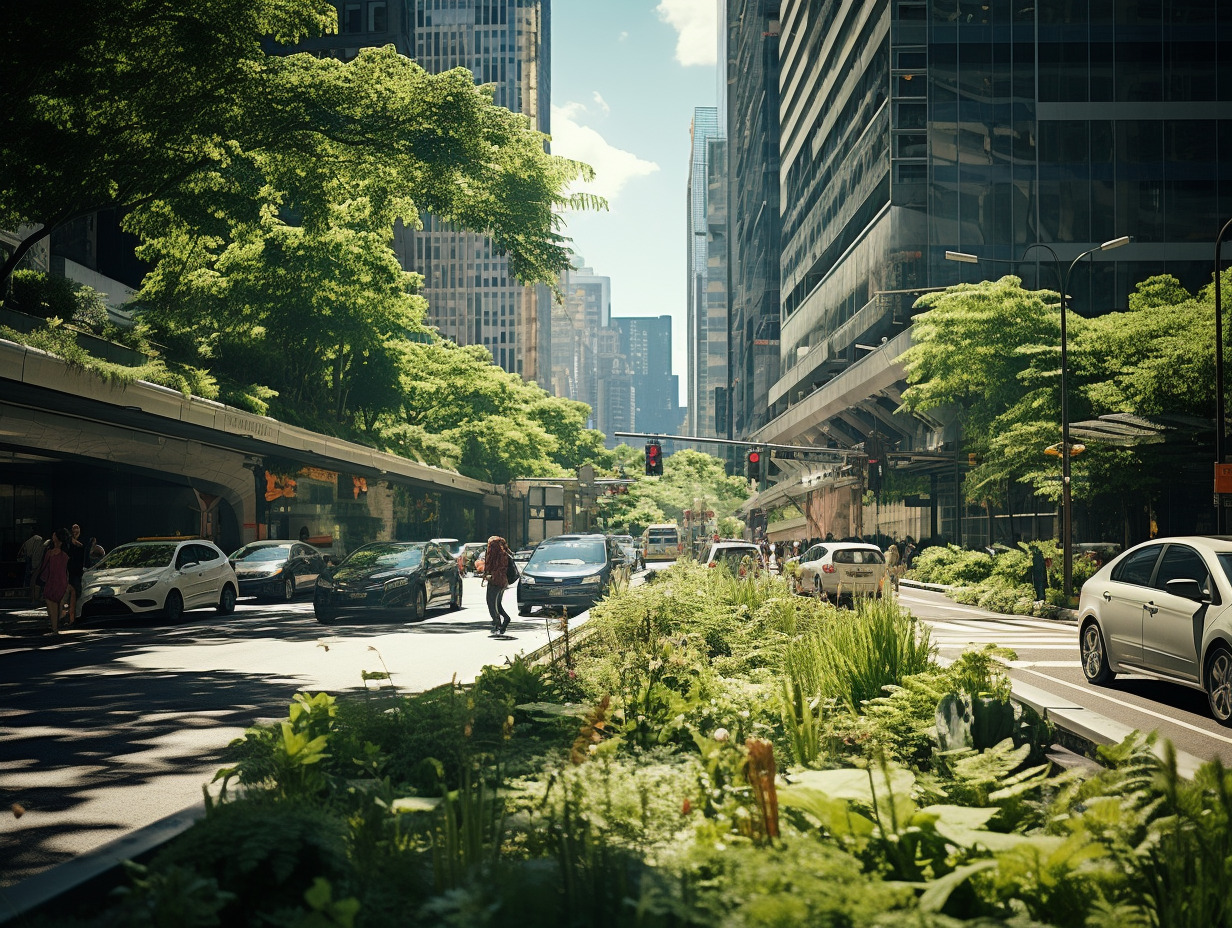
Strategies and Innovations for Environmentally Friendly Real Estate
In the quest for environmentally friendly real estate, the adopted environmental strategies are diverse and complex. These strategies encompass the integration of sustainable materials, the implementation of renewable energy systems, and the optimization of energy efficiency in buildings. Companies like idverde and Schneider Electric play a leading role by providing sustainable landscaping solutions and eco-energy electrical systems, respectively. These interventions are part of an innovative investment dynamic, steering Paris, Toulouse, Marseille, Lyon, and many other metropolitan areas towards a greener future.
The performance of ecological buildings is evaluated against rigorous certifications and rating systems such as LEED, BREEAM, HQE, Passive House, DGNB System, and Green Star. These certifications not only measure the environmental impact of constructions but also encourage industry stakeholders to innovate in the design and realization of housing. The Passive House, for example, illustrates the requirement for buildings that need minimal energy for heating or cooling, while the DGNB System assesses sustainability over the entire life cycle of a building.
Ecological innovations are not limited to new constructions. Indeed, renovation initiatives aim to transform existing buildings into models of energy efficiency. Such renovations are crucial for reducing the carbon footprint of the real estate stock while improving the quality of life for residents. The convergence of sustainable construction, technological innovation, and responsible investment is shaping a rapidly evolving real estate sector, ready to meet the challenges of ecological transition.