Safaris are unique experiences that allow travelers to discover wildlife and flora in their natural habitat. However, choosing the right time to go on a safari can have a significant impact on the quality of the experience.
The dry season: an unforgettable experience
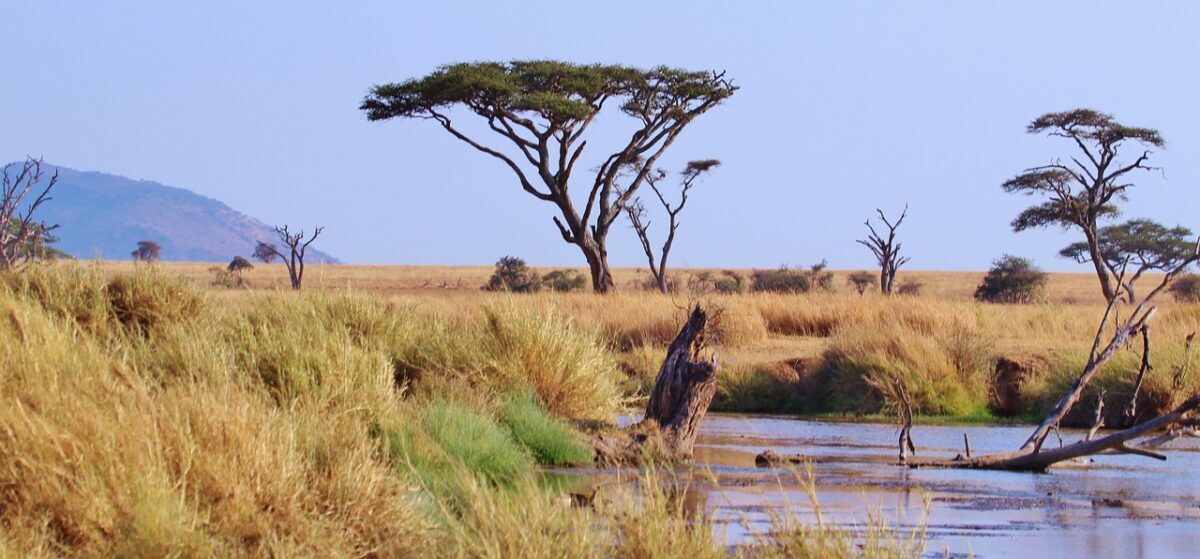
The dry season is generally considered the best time to go on a safari. During this period, the landscapes are clearer, making it easier to observe animals. Additionally, animals gather around water points, increasing your chances of seeing a wide variety of species in one place.
- Advantages of the dry season:
- Better visibility of animals
- Sunny and pleasant weather
- Fewer mosquitoes and lower risk of diseases
- Easier to spot hunting predators
If you dream of experiencing an unforgettable safari, the dry season is the ideal time to embark on an adventure. For a memorable safari in Tanzania, we recommend checking out this organized trip in Tanzania safari.
The rainy season: another perspective on safari
While the dry season offers undeniable advantages, the rainy season can also provide a unique safari experience. During this period, the lush landscapes come to life, and animal births are more frequent, offering unique opportunities to observe wildlife in all its splendor.
- Advantages of the rainy season:
- Lush and green landscapes
- Fewer tourists at the sites
- Unique opportunities to observe animal births
- More authentic wildlife experience
If you want to experience a different safari and discover nature from a new angle, the rainy season can offer you unique and memorable moments. Set off to explore the Tanzania safari during the rainy season for an extraordinary adventure.
The intermediate season: an interesting compromise
The intermediate season, between the dry season and the rainy season, can also be an interesting time to go on safari. During this period, temperatures are generally milder, and the vegetation is not as dense as in the rainy season, making it easier to observe animals.
- Advantages of the intermediate season:
- Pleasant weather and mild temperatures
- Fewer tourists compared to the dry season
- Facilitated observation of animals due to less dense vegetation
- Opportunity to observe animal migrations
If you are looking for a compromise between the advantages of the dry season and the rainy season, the intermediate season may be the ideal time to go on safari. For an unforgettable safari experience, choose an organized trip in Tanzania safari during the intermediate season.
The best time to go on a safari depends on your personal preferences and what you are looking for in this experience. Whether you choose the dry season, the rainy season, or the intermediate season, each period offers unique advantages and opportunities to discover wildlife in a different way. The most important thing is to choose the time that best matches your expectations and prepare to experience an unforgettable adventure in the heart of the wilderness.